
Is a dog tooth root abscess serious? Yes, tooth root abscesses in dogs are serious because they cause significant pain and allow infection to damage tissues around the tooth. Without timely veterinary care, the infection can spread into the jaw, face, nasal passages, or tissues near the eye.
What Is a Dog Tooth Root Abscess?
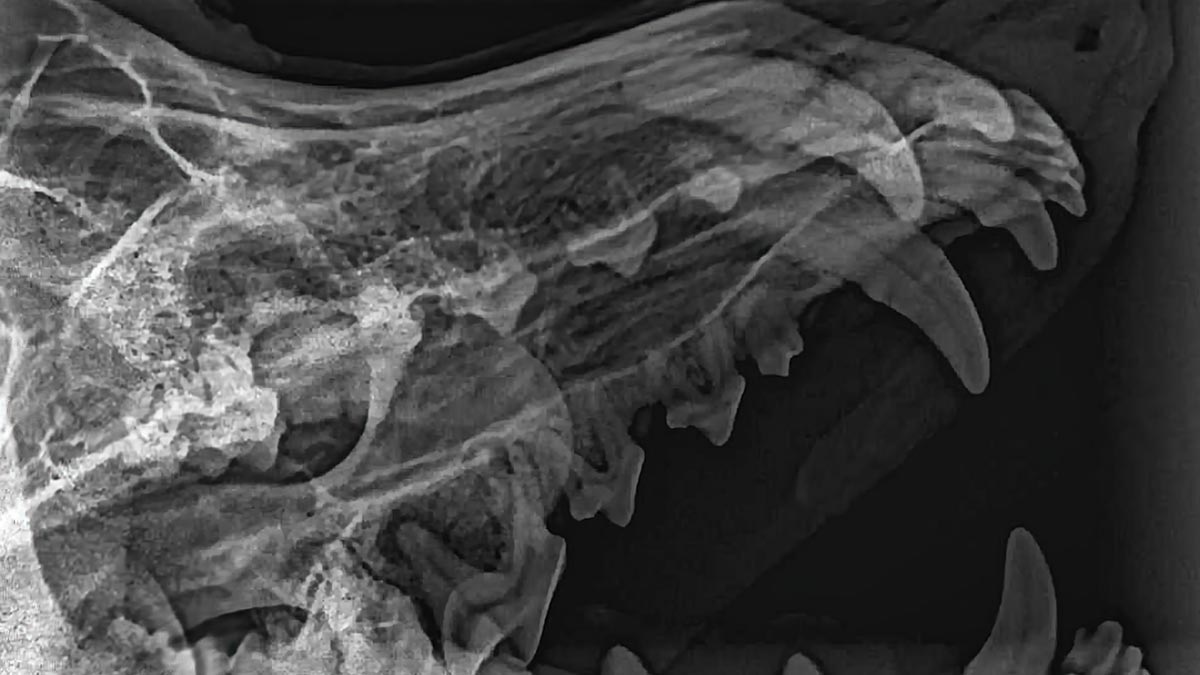
A dog tooth root abscess forms when bacteria enter the inner chamber of a tooth, infect the pulp, and travel down the root. The pulp contains nerves and blood vessels, so inflammation inside this confined space can cause intense pain. As infection advances, pus and inflammatory material collect around the root tip and damage nearby bone. The affected tooth cannot recover once the pulp dies and infection reaches the root.
A fractured tooth may expose the pulp directly, while advanced periodontal disease can let infection travel beneath the gumline. Trauma can also damage the pulp even when the crown looks intact. Once bacteria reach the internal tooth structure, the infection can continue developing where owners cannot see it. Veterinary treatment must address the affected tooth to stop the cycle of pain and infection.
What Are the Signs of a Tooth Abscess in Dogs?
Signs vary with the affected tooth and the infection’s drainage path. Because much of each tooth lies below the gumline, the source may remain hidden. Some dogs continue eating and acting normally despite significant discomfort. Others show noticeable facial swelling or suddenly change how they chew.
Common warning signs include:
- Swelling beneath one eye, along the muzzle, or under the jaw
- A draining sore on the face or beneath the chin
- Strong or worsening bad breath
- Red, swollen, or bleeding gums
- A broken, loose, or discolored tooth
- Dropping food or chewing on one side
- Reluctance to eat dry food or chew treats
- Pawing at the mouth or rubbing the face
- Excessive drooling or blood-tinged saliva
- Sensitivity around the head or mouth
An abscess involving an upper tooth may create swelling below the eye because the roots sit close to the facial tissues. The swelling may rupture and drain, temporarily reducing pressure. Drainage does not mean the infection has resolved. The diseased tooth remains and can trigger another painful flare.
Is a Dog Tooth Abscess an Emergency?
A tooth abscess in dogs requires prompt care, but the level of urgency depends on the symptoms. Contact a veterinarian when you notice facial swelling, a draining wound, a damaged tooth, difficulty chewing, or oral pain. Mills Animal Hospital can evaluate urgent cases during regular hours and determine whether your dog needs same-day care. Early treatment can limit tissue damage and reduce the risk of complications.
When Should You Take Your Dog to the Emergency Vet?
Seek immediate emergency care for rapidly increasing facial swelling, trouble breathing, collapse, severe weakness, or uncontrolled bleeding. Swelling around the eye, an eye that appears pushed forward, or an inability to open the mouth also requires urgent attention. These signs may indicate that infection has reached sensitive structures beyond the tooth. Rapid veterinary intervention can protect your dog’s airway, vision, and surrounding tissues.
Can a Tooth Abscess Kill a Dog?
A tooth abscess rarely becomes fatal when a veterinarian diagnoses and treats it promptly. However, untreated infection can erode bone, involve the nasal cavity, or spread into tissues surrounding the eye. Bacteria may also enter the bloodstream, particularly in a dog with advanced dental disease or another health condition. These complications make delay risky even when the first signs seem mild.
A ruptured abscess may look better after fluid drains, but the infection usually returns without treatment. The dog may also experience ongoing pain, difficulty eating, weight loss, and progressive damage around the tooth. Because dogs often hide dental discomfort, owners may underestimate how much the infection affects them. Prompt evaluation offers the best chance of preventing more extensive disease.
Will a Dog’s Tooth Abscess Heal on Its Own?
No, a dog tooth root abscess will not heal on its own. The infection develops inside a damaged or dead tooth, where the body cannot remove the source. Drainage may relieve pressure briefly, but it does not restore healthy pulp or eliminate bacteria inside the root canal. The problem can cycle through swelling, rupture, temporary improvement, and recurrence.
Waiting gives the infection more time to damage bone and nearby tissues. A dog may compensate by chewing differently, so appetite changes can appear late. Temporary improvement can make the condition seem less urgent even though infection continues below the gumline. A veterinary dental evaluation provides the clearest route to lasting relief.
How Do Veterinarians Diagnose a Dog Tooth Root Abscess?
A veterinarian starts with a physical examination of the face, gums, teeth, and surrounding tissues. Some dogs resist an oral exam because the area hurts, so the visible examination may provide only part of the answer. Dental radiographs taken under anesthesia allow the veterinary team to examine roots and bone below the gumline. These images can reveal bone loss, root damage, fractures, and hidden infection.
The veterinarian may recommend bloodwork before anesthesia. During the dental procedure, the team can clean the teeth, probe the gums, inspect each tooth, and take targeted radiographs. These findings help distinguish a root abscess from periodontal disease, trauma, an oral mass, or another cause of facial swelling. An accurate diagnosis allows the veterinarian to treat the source instead of managing visible symptoms alone.
How Do Veterinarians Treat a Dog Tooth Root Abscess?
Successful treatment must address the infected tooth rather than symptoms alone. Depending on the tooth, the damage, and the dog’s health, the veterinarian may recommend extraction or root canal therapy. Extraction removes the diseased tooth and infected tissue. Root canal therapy removes infected pulp, disinfects the canal, fills it with dental material, and preserves the tooth.
What Happens During a Dental Extraction?
The veterinary team places the dog under general anesthesia, monitors vital signs, and uses dental radiographs to plan the procedure. The veterinarian removes the affected tooth and thoroughly cleans the site. Depending on the location, the veterinarian may close the gum tissue with absorbable sutures. Follow-up care confirms that healing progresses normally.
When Might Root Canal Therapy Be Considered?
Root canal therapy may preserve an important tooth, such as a canine or major chewing tooth. A veterinary dentist typically performs the procedure after reviewing the tooth and surrounding bone. Follow-up imaging may confirm long-term success. Not every abscessed tooth qualifies, so the veterinarian will explain which option offers the better outcome.
How Can You Lower the Risk of Future Tooth Abscesses?
Routine dental examinations help veterinarians identify fractures, periodontal pockets, loose teeth, and other problems before infection advances. Professional dental cleanings allow the team to evaluate areas above and below the gumline and take radiographs when needed. Avoid giving dogs extremely hard objects that can fracture teeth, including items that do not flex under pressure. Check the mouth regularly for odor, discoloration, swelling, or broken teeth without forcing it open.
Schedule an evaluation after mouth trauma because pulp damage can occur beneath an intact crown. A tooth may also become discolored weeks or months after an injury. Dr. Michelle Mills and the veterinary team at Mills Animal Hospital can recommend an oral health schedule based on your dog’s age, breed, dental history, and examination findings. Regular dental care improves the chance of finding painful problems before they lead to extensive infection.
Schedule Dental Care at Mills Animal Hospital
Facial swelling, a draining sore, a damaged tooth, or a sudden change in chewing can point to a painful dental infection. Mills Animal Hospital in Acworth, GA, provides dental evaluations and professional teeth cleaning services for dogs and cats. Prompt attention can relieve pain, control infection, and protect surrounding tissues from further damage. Call (770) 903-5995 or book an appointment online if you suspect a dog tooth root abscess.