
Leptospirosis is a disease many pet owners have heard of, but few realize how serious it can be. Spread through bacteria found in water, soil, and the urine of infected animals, it poses a very real threat to dogs in Georgia and beyond. The lepto vaccine for dogs helps protect pets from this dangerous disease, giving them an important safeguard when they play outdoors, visit dog parks, or explore lakes and rivers. Below, we’ll take a closer look at what the lepto vaccine for dogs is, how it works, and why it’s worth discussing at your dog’s next wellness visit.
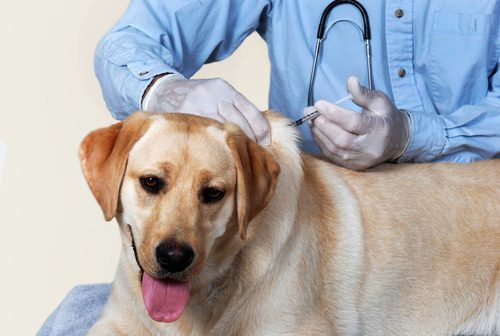
Understanding Leptospirosis in Dogs
Leptospirosis is caused by spiral-shaped bacteria known as Leptospira. These bacteria thrive in warm, humid climates and in areas with standing water. Dogs can contract the infection when they drink contaminated water, swim in infected lakes or ponds, or come into contact with the urine of wildlife carrying the bacteria. The disease doesn’t always show immediate signs, but when it does, they can include fever, lethargy, vomiting, diarrhea, loss of appetite, and kidney or liver issues. Because symptoms can mimic those of other conditions, veterinarians often need bloodwork or other diagnostic tests to confirm the infection.
Without protection, the disease can progress quickly and may require hospitalization. This is why the lepto vaccine for dogs has become an important part of preventive veterinary care, especially in regions like Acworth, GA, where outdoor activity and wildlife exposure are common.
What is the Lepto Vaccine for Dogs?
The lepto vaccine for dogs is designed to help prevent infection caused by the Leptospira bacteria. It works by stimulating your dog’s immune system to recognize and respond to the bacteria if exposure occurs. While no vaccine can guarantee 100% protection, this one significantly reduces the risk of illness and its potential complications.
Core vs. Non-Core Vaccines
Veterinary vaccines are often divided into two groups. Core vaccines are recommended for all dogs because of the widespread risk and severity of the diseases they protect against. Non-core vaccines are given based on lifestyle and regional risk factors. The lepto vaccine for dogs is considered a core vaccine, especially in areas where leptospirosis is prevalent such as much of the Southeast.
Why the Lepto Vaccine Matters for Dogs in Acworth, GA
Dogs in Georgia face a higher risk of exposure to leptospirosis than dogs in cooler, drier climates. The warm, humid weather combined with an abundance of ponds, lakes, and wooded areas creates the perfect environment for the bacteria to thrive. Wildlife such as raccoons, skunks, opossums, and rodents can carry Leptospira and spread it in areas where local pets play.
Local Risk Factors to Consider
- Outdoor adventures: Dogs that hike, swim, or accompany their families on camping trips are more likely to encounter contaminated soil or water.
- Urban wildlife: Even dogs that rarely leave their yard can be exposed if raccoons or rodents pass through and leave contaminated urine.
- Community living: Boarding facilities, daycares, and dog parks may increase the likelihood of contact with infected environments.
Because of these factors, veterinarians in Acworth often recommend the lepto vaccine for dogs as part of their preventive care plans.
How the Lepto Vaccine Works
Like other vaccines, the lepto vaccine introduces harmless parts of the bacteria to your dog’s immune system. This allows the immune system to build defenses so it can recognize and fight the infection more effectively if your dog is exposed later.
Frequency and Boosters
Puppies often begin their vaccine series at around 12 weeks of age, followed by a booster in a few weeks. Adult dogs may require annual boosters to maintain their protection, depending on their exposure risk. Because exposure can vary greatly from one dog to another, veterinarians tailor vaccine schedules based on lifestyle, health, and local prevalence.
Benefits of the Lepto Vaccine for Dogs
The lepto vaccine provides several important benefits that make it a strong consideration for many pet owners.
Protects Against Serious Illness
Leptospirosis can cause life-threatening conditions such as kidney or liver failure. Vaccinated dogs are far less likely to develop severe complications if exposed.
Helps Reduce Zoonotic Risk
Leptospirosis isn’t just a concern for dogs. It’s zoonotic, meaning it can spread from animals to humans. Protecting dogs with the lepto vaccine also lowers the risk of transmission to family members.
Peace of Mind for Active Pet Owners
Families who enjoy outdoor activities with their pets can feel more confident knowing their dogs have protection against one of the region’s more serious diseases.
Are There Side Effects to the Lepto Vaccine for Dogs?
Like most vaccines, the lepto vaccine for dogs may cause mild side effects in some pets. These can include slight soreness at the injection site, mild fever, or temporary lethargy. Most dogs recover quickly with little to no discomfort. Veterinarians monitor each patient closely and discuss the pros and cons with pet owners before administering vaccines. For dogs at high risk of exposure, the benefits of vaccination typically outweigh the risk of side effects.
Discussing the Lepto Vaccine with Your Veterinarian
Every dog is different, and the decision to include the lepto vaccine for dogs in your pet’s preventive plan should be based on a conversation with your veterinarian. They can evaluate your dog’s health, age, and lifestyle to determine the best approach.
Questions to Ask at Your Appointment
- Is leptospirosis common in this area?
- How likely is my dog to be exposed during normal activities?
- Should my dog receive the lepto vaccine annually, or on a different schedule?
By discussing these questions, you’ll feel more confident about making the right decision for your dog’s health.
Protecting Your Dog Starts with a Call
The lepto vaccine for dogs offers important protection against a serious disease that’s present in Georgia and throughout much of the U.S. Whether your dog is an adventurous explorer or prefers lounging in the backyard, they could still encounter the Leptospira bacteria. By staying proactive with preventive care, you give your dog the best chance to stay safe and healthy. If you’d like to schedule your dog’s lepto vaccine or talk with your veterinarian about your pet’s individual risk factors, call Mills Animal Hospital in Acworth, GA at (770) 903-5995 or book now online. Our team is here to help your dog enjoy a healthier, happier life.