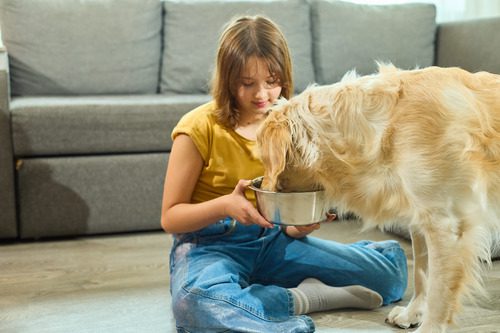
Choosing food for your dog can feel like standing in the middle of an endless pet store aisle, with bags promising everything from shinier coats to healthier hearts. Among the most talked-about options is grain-free dog food, a choice that has sparked plenty of debate. Many pet parents find themselves asking, is grain free food bad for dogs or is it a better alternative? With so much information out there, it’s easy to feel unsure. This blog unpacks the facts, clears up common misconceptions, and helps you feel more confident about what’s in your dog’s bowl.
What Does Grain-Free Dog Food Really Mean?
Grain-free dog food excludes ingredients like wheat, corn, rice, oats, and barley. Instead, these formulas typically replace grains with alternatives such as potatoes, lentils, chickpeas, or peas. The grain-free trend grew out of the idea that dogs should eat more like their wild ancestors, who didn’t consume processed grains. While the intention behind grain-free diets sounds appealing, modern dogs are not the same as wolves. Over thousands of years, dogs have adapted to digest a variety of foods, including grains. It’s also important to understand that grain-free does not always equal healthier. Some grain-free foods contain fillers or high amounts of starchy vegetables, which may not provide the nutritional balance your dog needs.
Why Do Pet Owners Ask, “Is Grain Free Food Bad for Dogs?”
The question, “Is grain free food bad for dogs?” often comes up because of research that linked certain grain-free diets to a heart condition known as dilated cardiomyopathy (DCM). The concern specifically focused on grain-free foods that use legumes like peas and lentils as main ingredients.
While studies are ongoing, this link raised awareness about the potential risks of grain-free formulas. Pet owners want the best for their dogs, and when a diet trend gains attention in the news or on social media, questions naturally follow. Another reason for the debate is marketing. Many pet food companies promote grain-free diets as superior, leading owners to believe grains are harmful. However, grains can actually provide important nutrients such as fiber, essential fatty acids, and vitamins.
The Benefits and Drawbacks of Grain-Free Dog Food
When considering whether grain free food is bad for dogs, it helps to weigh the potential pros and cons of these diets.
Possible Benefits of Grain-Free Food
- May support dogs with grain sensitivities: Though rare, some dogs can have allergies or sensitivities to specific grains.
- Alternative carbohydrate sources: Potatoes or legumes can provide energy, though they should be balanced properly with proteins and fats.
- Appealing to certain pet owners: Some families feel better offering grain-free diets because they align with personal health beliefs or food philosophies.
Possible Drawbacks of Grain-Free Food
- Potential DCM risk: The connection between some grain-free diets and heart disease is still under investigation, but it’s important to stay aware.
- Not always more nutritious: Grain-free doesn’t guarantee better quality ingredients or complete nutrition.
- Can be higher in cost: Many grain-free options come with a bigger price tag, even when they don’t offer added nutritional benefits.
Are Grains Really Bad for Dogs?
The idea that grains are harmful to all dogs is a myth. In fact, grains can be a healthy part of a balanced diet. They provide carbohydrates for energy, fiber for digestion, and essential nutrients that support skin, coat, and overall health. Dogs have evolved to digest grains, unlike their wolf ancestors. Their digestive systems can break down and absorb nutrients from grains effectively. Unless a dog has a specific allergy or intolerance which is uncommon, grains are not inherently problematic. So when pet parents ask, “Is grain free food bad for dogs?”, the more accurate question might be: “Does my dog benefit from grain-free food, or is a diet with healthy grains a better fit?”
The Role of Marketing in the Grain-Free Debate
Marketing plays a large role in how diets like grain-free become popular. Pet food companies often promote these diets with phrases such as “ancestral diet” or “mimicking nature.” While these claims may sound convincing, they don’t always reflect what’s best for domesticated dogs today. The question of whether grain-free food is bad for dogs often arises because owners feel pressured by advertisements or online discussions that suggest they are failing their pets if they don’t choose grain-free. This is why it’s important to look past marketing and focus on the facts.
How Pet Owners in Acworth, GA Can Approach Dog Food Choices
Dog food decisions shouldn’t be taken lightly, and there’s no single answer for every pet. Each dog’s age, size, breed, lifestyle, and health history influence what diet works best. When faced with the question is grain free food bad for dogs, it helps to consider these steps:
Look at the Ingredient List
Check whether the food relies heavily on legumes or potatoes as the first ingredients, which may not always provide balanced nutrition.
Focus on Nutritional Balance
Grain-free or not, dog food should meet standards set by the Association of American Feed Control Officials (AAFCO). These guidelines help ensure the food provides complete and balanced nutrition.
Avoid Following Trends Alone
Trendy doesn’t always mean better. The healthiest choice depends on your dog’s individual needs, not just what’s popular.
Why Personalized Guidance Matters
Pet owners often feel overwhelmed by the many food options on the market. When the question “Is grain free food bad for dogs?” comes up, it highlights how important it is to get clear information from reliable sources. Every dog is unique, and what works for one may not suit another. At Mills Animal Hospital in Acworth, GA, we understand the importance of personalized care and guidance. If you’re considering switching your dog’s diet or have questions about grain-free formulas, our team is glad to provide trusted recommendations. Call (770) 903-5995 or book now to schedule an appointment and discuss the best nutrition plan for your dog.