
A collar can slip off. A tag can fade. A gate can get left open. In those stressful moments when a pet goes missing, many owners ask the same urgent question: how does pet microchipping work, and can it really help bring my pet home? Pet microchipping uses a tiny, permanent form of identification placed just under the skin that links your pet to your contact information through a secure registry. At Mills Animal Hospital in Acworth, GA, this simple step has reunited countless pets with their families. Understanding how the process works, what the microchip does, and why registration matters helps you make confident decisions about your pet’s safety. The more you know about pet microchipping, the more prepared you feel if the unexpected happens.
What Is a Microchip?
A pet microchip is a small, rice-sized device that provides permanent identification for animals. The microchip contains a unique identification number, not a GPS tracker and not a battery-powered device. That number connects to a national pet recovery database where your contact details are stored. When people ask, “How does pet microchipping work?”, it helps to start with what the microchip actually is: a passive radio-frequency identification (RFID) chip designed specifically for animals. Veterinarians implant it just under the skin, usually between the shoulder blades. The chip remains there for life and does not move through the body under normal circumstances. Shelters, animal control officers, and veterinary clinics use universal scanners to read the chip number.
How the Microchip Activates
This technology stays inactive until a scanner passes over it. The scanner’s signal activates the chip long enough to transmit the ID number. That number then links to the pet owner’s information in the database. Because the chip contains only a number, your personal data stays protected within the registry system. This setup makes microchipping a safe, reliable form of identification recognized worldwide.
What Information Does a Microchip Store?
A microchip itself does not store your address or phone number. It holds only a unique identification code assigned to your pet. That code links to a registration profile in a pet recovery database. You control what information appears in that profile, including phone numbers, email addresses, and emergency contacts. Keeping this information current plays a major role in how pet microchipping works in real-life recovery situations. If contact details are outdated, the system cannot reunite pets with families quickly.
How Microchipping Works
Pet owners often picture complex electronics when they hear the term microchip, but the process remains straightforward. Your veterinarian inserts the microchip using a sterile applicator, similar in size to a routine vaccination needle. Most pets react the same way they would to a standard injection. The procedure takes only a few seconds and does not require surgery. After placement, your veterinarian scans the chip to confirm it reads properly and records the number.
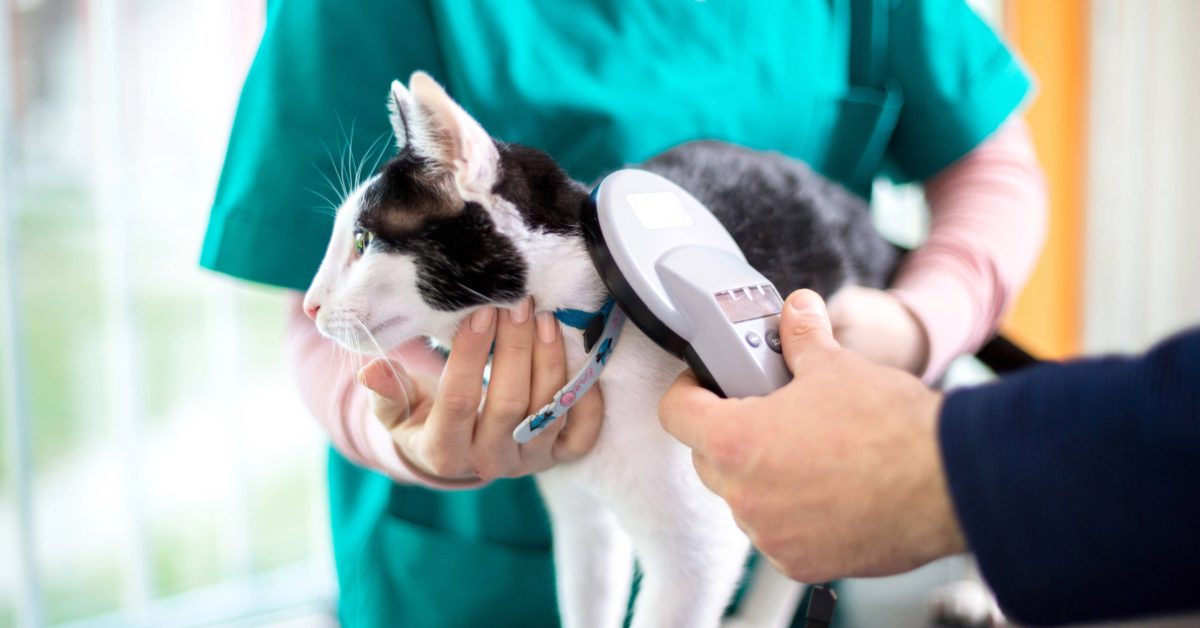
When a lost pet arrives at a shelter or clinic, staff members scan for a microchip as part of the standard intake process. The scanner displays the identification number on its screen. Staff then contact the associated database to retrieve the owner’s information. This system answers the core question of how pet microchipping works: the chip provides a reliable link between your pet and your contact details, even if collars and tags are missing.
Step-by-Step Overview
- Your veterinarian implants the microchip beneath the skin.
- The clinic registers the chip number with a recovery database.
- You confirm and update your contact information in the registry.
- A scanner reads the chip number if your pet is found.
- The database connects rescuers with you quickly.
Each step plays a vital role. Missing even one part, such as registration, reduces the effectiveness of the entire system.
Is Microchipping the Same as GPS Tracking?
Microchipping does not provide real-time location tracking. A microchip cannot show where your pet is at any given moment. Instead, it serves as permanent identification that works once someone finds your pet and scans them. GPS collars offer tracking features but depend on batteries, cellular signals, and devices that pets can lose. Microchips stay in place and function for the pet’s lifetime without maintenance.
Benefits of Microchipping
Microchipping dramatically improves the chances of reuniting lost pets with their families. Studies consistently show that microchipped pets return home more often than those without identification. A visible tag helps, but it can break or become unreadable. A microchip remains intact and scannable. That reliability makes a difference during stressful recovery situations.
Pet microchipping also provides peace of mind for owners. Travel, storms, loud events, or unexpected escapes can separate pets from home quickly. Knowing that a permanent ID exists reduces uncertainty. Microchips support legal identification in cases of ownership disputes as well. This added layer of verification protects both pets and families.
Situations Where Microchipping Helps
- Natural disasters that displace pets
- Boarding or travel-related mix-ups
- Pets slipping out during moves
- Stray intake at shelters
- Identification after accidents
Each scenario shows how pet microchipping works as a safety net when visible ID fails.
The Importance of Registration and Updates
A microchip works only if the information attached to it stays current. Many lost pet cases involve chips that were never registered or have outdated contact details. Owners sometimes move, change phone numbers, or switch email addresses and forget to update the database. When a clinic scans a pet and the listed number no longer works, delays happen. Keeping your registration accurate supports the entire recovery process. Most databases allow multiple contacts, which helps if one person cannot be reached. Some registries also let you add medical notes or secondary caretakers. Understanding this part of how pet microchipping works ensures you maximize the protection the chip provides.
Is Microchipping Safe for Pets?
Microchips are designed for safety and biocompatibility. The materials used do not trigger reactions in the vast majority of animals. The implantation site heals quickly, and complications remain rare. Veterinarians worldwide use microchips as a standard identification tool because of their safety record. Pets continue normal activities immediately after the procedure. The chip does not interfere with movement, growth, or daily behavior. Routine veterinary visits often include a quick scan to confirm the chip still reads correctly. This step reinforces how pet microchipping works as a long-term identification method.
Microchipping and Local Pet Safety in Acworth, GA
Communities benefit when more pets have permanent identification. Shelters and clinics in the Acworth area routinely scan found animals, which speeds up reunions. Quick identification reduces shelter overcrowding and stress for animals. Local pet owners who understand how pet microchipping works often choose to microchip both dogs and cats, even indoor pets. Indoor pets sometimes escape through open doors, damaged screens, or during home repairs. Without identification, recovery becomes difficult. A microchip gives your pet a voice when they cannot speak for themselves. This small step supports responsible pet ownership across the community.
A Simple Step That Makes a Lifelong Difference
Microchipping offers a reliable, permanent link between you and your pet. It supports faster reunions, reduces uncertainty, and adds a level of protection that collars alone cannot provide. Understanding how pet microchipping works helps you see why this technology remains one of the most effective identification tools available. If your pet does not have a microchip or if your contact information needs updating, the team at Mills Animal Hospital can help. Call (770) 903-5995 or book an appointment now to discuss microchipping and make sure your pet’s identification works exactly as it should.